Last Updated: November 5, 2026
Quick Summary
Residential electrical maintenance for property managers combines monthly visual checks by maintenance staff, quarterly GFCI and outlet tests, and an annual licensed electrician inspection with thermal scanning. Staff observe and test with plug-in devices only, while panel work and wiring belong to a licensed electrician.
- Maintenance staff document flickering fixtures, scorch marks, and warm switch plates without opening panels or touching wiring.
- Press GFCI test and reset buttons quarterly in laundry rooms, community kitchens, and pool areas.
- A licensed electrician should perform an annual panel inspection, termination torque check, and thermal scan.
- Run a full outlet, switch, and GFCI walkthrough at every turnover before the unit is re-listed.
- Rank requests as emergency, urgent, routine, or deferred so sparking and burning smells jump the queue.
Table of Contents
- Why Residential Electrical Maintenance Belongs on Your Calendar
- The Rental Property Electrical Inspection Checklist
- Building a Preventive Electrical Maintenance Plan
- Electrical Maintenance Schedule for Apartments and Multi-Unit Buildings
- Handling Electrical Maintenance Requests for Property Managers
- Keeping Records That Protect You at Inspection Time
- What Tenants Should Know About Reporting Electrical Problems
- Booking Your First Maintenance Walkthrough
- Frequently Asked Questions
Why Residential Electrical Maintenance Belongs on Your Calendar
Many property managers only think about electrical work when something goes wrong. A proactive residential electrical maintenance schedule turns surprise failures into planned repairs.
This guide breaks down the tasks that belong on every property manager’s calendar.
The stakes are real. Electrical failures are a recognized concern in residential fire safety, and the U.S. Fire Administration’s residential fire data shows that electrical distribution problems remain a persistent cause.
But first, here’s what most guides get wrong: they lump every property into one schedule. A 1970s fourplex and a new build need different attention.
The Rental Property Electrical Inspection Checklist
A rental property electrical inspection checklist is a repeatable list of visual and functional checks your team runs at turnover and on a set schedule. It catches small problems before they become emergency service calls.
Monthly Visual Checks for Maintenance Staff
These are observation-only tasks. Maintenance staff document what they see; they do not open panels, remove cover plates, or touch wiring. A common pattern is to fold these into the existing common-area walk so they add minutes, not hours.
- Walk common hallways and stairwells and note flickering, buzzing, or dark fixtures
- Check exterior and parking-lot lighting for burned-out lamps and damaged photocells
- Look for discolored outlet covers, scorch marks, or warm switch plates in shared spaces
Watch out: a warm switch plate or a faint burning smell is a stop-work signal, not a line item to schedule later. Call a licensed electrician the same day.
Quarterly Functional Tests
Quarterly work adds push-button testing and outlet checks in shared and high-use spaces. These are still non-invasive tasks that do not require opening a panel.
- Press the test and reset buttons on GFCIs in laundry rooms, community kitchens, and pool areas
- Test outlets in shared spaces with a plug-in circuit tester
- Check laundry-room dryer and washer connections for damaged cords or scorched receptacles
Log the pass or fail for each device. A failed GFCI that will not reset is a repair ticket, not a note.
Annual Licensed Electrician Inspection
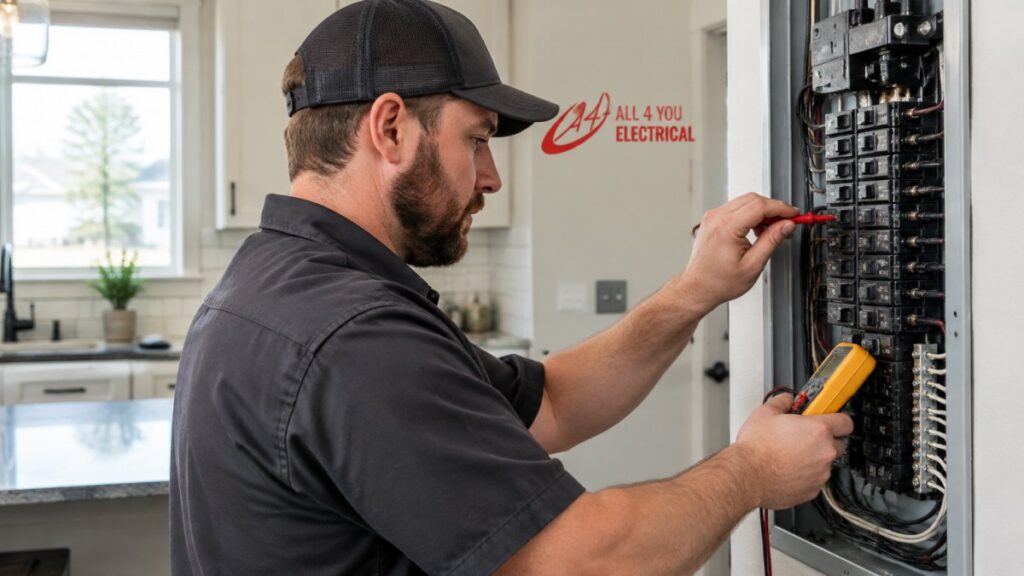
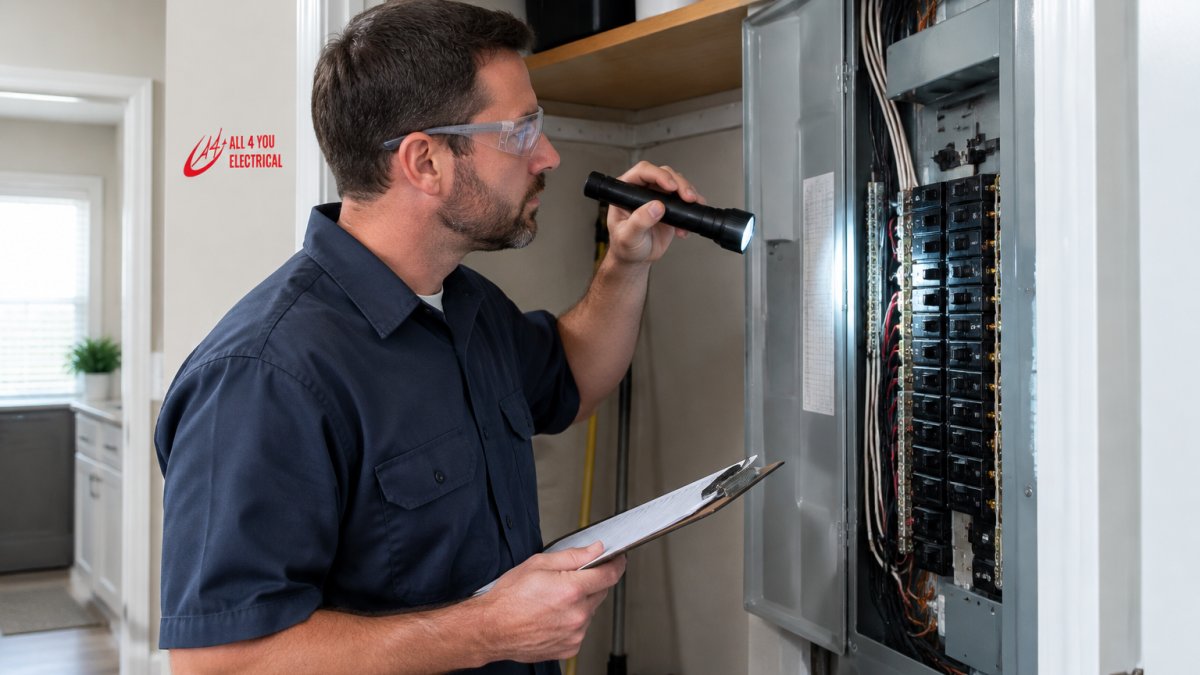
Once a year, a licensed electrician should perform the work your staff cannot: opening panels, checking torque on terminations, thermal scanning for hot spots, and verifying grounding and bonding. Build the scope into the contract so it is not an afterthought.
- Panel interior inspection and termination torque check
- Thermal imaging of panels and main feeders to catch overheating before failure
- Grounding and bonding verification
A written report with photos can serve as a maintenance record for your files.
Turnover Inspection Checklist
Turnover is your best window for a full walkthrough because the unit is empty and every device is accessible. Run these checks before the unit is re-listed:
- Test every outlet and switch for function
- Press the GFCI test and reset buttons in kitchens and baths
- Look for scorch marks, discoloration, or heat damage at outlets and switch plates
Document what you find with photos and a dated checklist. That record is what protects you if a tenant later disputes the condition of the unit.
What Needs a Licensed Electrician, Not a Handyman
Some jobs are safe for maintenance staff. Others are not. Handyman work on live circuits creates fire risk and liability, and most states restrict electrical work to licensed electricians beyond simple device replacement.
Call a licensed electrician for:
- Any work inside the electrical panel
- Repeated breaker trips with no obvious cause
- Burning smells, sparking outlets, or warm switch plates
A simple rule keeps the boundary clear: staff may observe, test with plug-in devices, and document. If an inspection turns up an aging panel, review 7 signs your electrical panel needs an upgrade before you approve a repair. And when a tenant reports sparking or total power loss, you need an emergency electrician who can respond promptly.
Building a Preventive Electrical Maintenance Plan
A preventive electrical maintenance plan is a written schedule that assigns each task a frequency, an owner, and a record. It replaces reactive repairs with predictable work orders.
Start with the building, not the calendar. Walk the property and list every system: panels, common-area lighting, exterior fixtures, laundry rooms, and unit-level devices. Then set frequencies based on age and use.
Assign an Owner to Every Task
A frequency without an owner is a wish. For each line in the plan, name who does it: on-site maintenance staff, a contracted electrician, or the property manager. This is also where you draw the role boundary, staff observe and test with plug-in devices; licensed electricians open panels and work on wiring. Writing that boundary into the plan prevents the most common liability problem: a maintenance tech who means well and opens a panel he should not touch.
A Frequency Table by Property Type
Use the table below as a starting point and adjust for age and use. Older buildings with original wiring should move annual items to semi-annual until the electrician confirms stability.
| Property type | Monthly | Quarterly | Annually |
|---|---|---|---|
| Single-family rental | Visual sweep of exterior and common fixtures | GFCI test at kitchen and baths | Licensed panel inspection and thermal scan |
| Small multifamily (2-4 units) | Common-area and exterior lighting check | GFCI tests in shared spaces; laundry-room outlet check | Licensed panel inspection; unit walkthrough at turnover |
| Larger multifamily (5+ units) | Common-area, stairwell, and parking lighting | GFCI tests; emergency lighting function test | Licensed panel inspection and thermal scan; full unit inspections on a rolling schedule |
A rolling unit-inspection schedule, for example, a quarter of the units each quarter, keeps annual coverage without pulling every tenant at once.
Recordkeeping That Makes the Plan Auditable
Every task in the plan should produce a record: a dated checklist, a work order with the vendor name and license number, and photos where condition matters. Keep one folder or software record per property, and keep panel and circuit maps current after any change. When an insurer or code compliance officer asks for proof of maintenance, a dated log answers the question in seconds.
Budgeting and Lifecycle Planning
A preventive plan is also a budgeting tool. When you can see repair history, you can forecast replacements instead of paying emergency rates.
Build the plan once and reuse it. That’s the whole point. A documented preventive maintenance plan can help property managers spend more time on planned work and less on emergency response.
For a full picture of what a licensed provider handles, review the residential electrical services available for inspections, repairs, and upgrades.
Electrical Maintenance Schedule for Apartments and Multi-Unit Buildings
Multi-unit properties need a schedule that separates common areas from tenant spaces. Common-area lighting, laundry rooms, and parking structures carry heavy use and fail more often than unit wiring.
Here’s a workable frequency table for apartments and multi-unit buildings:
| Area | Task | Frequency |
|---|---|---|
| Common areas | Visual inspection, bulb replacement | Monthly |
| Laundry rooms | GFCI test, outlet check | Quarterly |
| Exterior lighting | Fixture and photocell check | Quarterly |
| Unit interiors | Full inspection at turnover | Every turnover |
| Main panels | Licensed inspection and thermal scan | Annually |
| Emergency lighting | Function test | Monthly |
Ballast replacement and light fixture maintenance in shared spaces matter more than most managers expect. Flickering hallway lights generate tenant complaints and hide bigger circuit problems.
For a deeper walkthrough of structured schedules, see this commercial electrical system maintenance guide, which covers multi-unit properties in detail.
Handling Electrical Maintenance Requests for Property Managers
Electrical maintenance requests for property managers are the day-to-day service calls that come from tenants. The goal is a fast, documented response that routes each request to the right person.
A workable intake process looks like this:
- Log the request with date, unit, and description
- Ask the tenant targeted questions (what sparked, when, which breaker)
- Triage by risk before scheduling
- Dispatch maintenance staff or a licensed electrician
- Close the work order with notes and photos
Tenant communication matters here. Tell residents what to expect and when. Clear response times reduce repeat calls and build trust.
Sorting Work Orders by Risk and Urgency
Not every request is equal. Rank them so dangerous issues jump the queue.
- Emergency: smoke, burning smell, sparking, exposed wiring, total power loss
- Urgent: repeated breaker trips, dead outlets in kitchens or baths, no hot water circuit
- Routine: single dead outlet, flickering fixture, cosmetic switch issues
This triage cuts downtime and keeps your maintenance staff off live circuits.
Keeping Records That Protect You at Inspection Time
Inspection records are your defense. When a code compliance officer or insurer asks for proof of maintenance, a dated log answers the question in seconds.
Keep these records for every property in your portfolio:
- Dated inspection checklists with photos
- Work orders with vendor name and license number
- Panel and circuit maps, updated after any change
Store them in one place per property. A shared spreadsheet works for small portfolios; larger ones benefit from maintenance software that tracks work orders across buildings.
Good records also support budgeting. When you can see repair history, you can plan lifecycle replacements instead of paying for emergency service again and again.
What Tenants Should Know About Reporting Electrical Problems
Tenant communication is hazard prevention. Residents who know what to report, and how fast, help you catch problems early.
Give every tenant a short guide at move-in:
- Report sparking, burning smells, or warm outlets immediately
- Never reset a breaker more than once; call if it trips again
- Don’t use extension cords as permanent wiring
A one-page sheet with your emergency contact and a simple reporting form goes a long way. It reduces repeat service calls and protects both parties.
Booking Your First Maintenance Walkthrough
The best time to start a residential electrical maintenance program is before something fails. A first walkthrough gives you a baseline: what’s aging, what’s compliant, and what needs a work order this quarter.
At All 4 You Electrical, we’re a family-owned team with over a decade of experience. We offer free estimates upfront and leave your property clean after service. We have a 5.0 rating on Google across 123 reviews.
Ready to schedule? Contact us to book your first maintenance walkthrough and get a clear picture of your property’s electrical health.
Frequently Asked Questions
How often should rental property electrical systems be inspected?
A practical rhythm is a quick visual walkthrough at every turnover, an annual check of common areas and panels in multi-unit buildings, and a full licensed inspection every few years or whenever a unit changes hands after long tenure. Older buildings with aluminum wiring, fuse boxes, or a history of tripped breakers need closer attention. Put the dates in your preventive electrical maintenance plan so inspections happen on schedule rather than after a complaint.
What should an electrical maintenance checklist for rental properties include?
Cover panels for heat, scorching, or double-tapped breakers; test GFCI outlets in kitchens, baths, and laundry areas; check that cover plates and box connectors are intact; look for damaged cords, overloaded outlets, and flickering fixtures in common areas; confirm exterior outlets have weatherproof covers; and verify smoke and carbon monoxide detectors work. Record what you find, the date, and who fixed it. Anything involving the panel interior or new circuits should go to a licensed electrician.
When should a property manager call a licensed electrician instead of handling it in-house?
Call a licensed electrician for anything inside the panel, repeated breaker trips, burning smells, scorch marks, buzzing outlets or switches, warm cover plates, exposed wiring, and any work that adds a circuit or outlet. Maintenance staff can safely reset a tripped breaker once, replace a bulb, test a GFCI, and swap a cover plate. If the same breaker trips again after a reset, stop and schedule a service call, because repeat trips usually point to a fault rather than an overload.
How should property managers document electrical repairs?
Keep one file per property with the date, unit number, reported symptom, who inspected it, what was found, parts used, and the invoice. Photograph the before and after condition, especially at panels and outlets. Log the electrician’s license details and any permit numbers for larger jobs. This record set answers inspection questions, supports warranty claims, and shows a pattern of preventive maintenance if a tenant disputes a repair timeline.
Start with one building this month. Map its panels, run the turnover checklist, and log every finding. That single step turns electrical maintenance from a source of surprises into a managed part of your operating plan. Get started with All 4 You Electrical and build a maintenance schedule that protects your properties, your tenants, and your budget.
