TL;DR
Power outages in Boise, ID and the Treasure Valley can happen with no warning. Idaho Power says some outages may last longer than usual this season.
Keep a power outage kit ready, decide which parts of your home need backup power, and work with a licensed electrician to check your electrical system before deciding on a generator.
If you notice electrical damage after regular power returns, have a licensed electrician inspect it before using the affected circuits.
On September 22, 2026, a power outage affected more than 23,000 Idaho Power homes and businesses in Eagle and Star. CBS2 reported that the power line damage came from a third party. The next day, Idaho Power warned that some outages this season could run longer than usual, as it adjusts its power line settings during high winds and wildfire weather.
An outage can strike before you have time to gather supplies or arrange backup power. This is why knowing how to prepare for a power outage in Boise matters. This guide walks you through what to do before, during, and after an outage, including how to plan the right generator options with a licensed electrician to keep each connection safe and code-compliant.
Whether you are located in Boise’s North End, out toward the Bench, or in a nearby town like Meridian or Nampa, your goal should be the same: stay safe, keep your essentials running, and keep your electrical system in good hands.
Why Boise Homeowners Should Think About Outage Preparedness
Power outages in Boise come from several factors. The recent power outage in Eagle and Star shows how a third-party damage to a power line can interrupt your electrical supply. Idaho’s local weather also brings a different concern. The May 2026 windstorm also left thousands of Boise-area customers without electricity, and Idaho Power warned that similar weather conditions could make outages last longer this season.
These factors point to the same question for homeowners: what would you prioritize if your power stopped today? Warm summer months can make home cooling a priority. During colder months, you may be more concerned about heat, lighting, and getting devices charged. A power outage can easily stretch from minutes to hours. Knowing why these happen and how long they last, lets you plan ahead and not scramble when the lights go out.
How to Prepare for a Power Outage in Boise, ID
The simplest way to stay ready for a sudden outage is to think in three stages: before, during, and after the power goes out. Planning ahead and working with a licensed electrician keeps outages manageable for your household.
Get Ready Before an Outage Happens
Preparation keeps you in most control even before an outage happens. Get your electrical system checked and performing correctly, then build an outage kit and get a backup power ready.
- Have your system checked: Ask a licensed electrician to review your electrical panel’s capacity, age, and circuits you want to keep running. Add a whole-home surge protection so an unplanned outage or surge from power returning will not damage your devices.
- Plan for backup power: Decide which devices and essentials you want to run through a longer outage. Knowing your priorities helps an electrician recommend the right backup power for your home, whether that means a portable unit or a standby generator.
- Build a power outage kit: Store flashlights, fresh batteries or a charged power bank, water, and shelf-stable food in one spot. It also helps to keep a manual can opener, essential medications, and first aid supplies handy. Prepare warm clothing and layers for winter and cooling supplies during summer.
The Idaho Office of Emergency Management also outlines the importance of contacting a utility provider and considering a backup generator as part of advance preparation and safety guidance for power outages.
What to Do When the Power Goes Out
Work out whether the problem is limited to your home or the wider grid. Check whether it is safe to approach your panel and electrical circuits, and there are no signs of water, heat, smoke, or visible damage.
- Inspect your panel: If a breaker has tripped, reset it once but if it trips again, stop and contact a licensed electrician. Do not keep resetting it.
- Check your surroundings: See whether your neighbors still have power, and check the Idaho Power outage map to confirm a wider outage and get restoration updates.
- Stay safe: Run portable generators outdoors and keep the fridge and freezer closed to keep food fresh. Switch your phone to low power mode, and stay well away from a downed line.
Keeping your refrigerator closed can keep food safe for up to four hours during a power outage. The CDC food safety guidance recommends throwing perishable food after four hours without power or a cold source such as ice.
Check for Damage After an Outage
Once the power returns, do not turn on appliances immediately. Electrical surges can follow a power outage and damage your devices.
- Watch for warning signs: Flickering lights, a burning smell, warm or scorched outlets, or breakers that will not stay set all point to trouble.
- Call a licensed electrician: If anything looks or smells off, have a licensed electrician inspect the wiring before you rely on it again.
When in doubt, keep any affected circuits turned off until a licensed electrician arrives to check them. A professional inspection is easier and safer than leaving hidden damage to show up until the next outage.
Choosing the Right Backup Power for Longer Outages
A power kit can carry you through short power interruptions but longer outages call for real backup power. Choosing the right generator type in Boise depends on what devices and parts of your home you want to keep running, how hands-on you want to be, and your overall budget.
| Feature | Portable Generator | Standby Generator |
|---|---|---|
| How it works | A movable, fuel-powered backup generator that operates outdoors. Devices can be plugged into it directly, or selected home circuits may use a properly installed connection. | A fixed unit that can be installed as part of a whole-home power system. |
| Coverage | Can power a few essentials, like a fridge and some lights. | Power whole home, including all household essentials |
| Fuel | Gasoline you store and refill | Natural gas or propane that requires no refueling. |
| Effort | Manual setup and monitoring. | Hands-off once installed |
| Best for | Occasional, short outages on a smaller budget | Frequent or long stretches of power outages that require full-home comfort. |
A portable generator can suit a household with a small number of essentials. A standby system generator can be more suited to a household that needs more backup power. Both setups use a transfer switch, a safe, code-compliant electrical component that links your generator to your panel. It keeps utility and generator power safely apart, preventing backfeeding, where power pushes back through your wiring and can start a fire.
All 4 You Electrical reviews your priority loads, assesses your home, and explains which backup power setup best serves your needs.
Why Safe, Professional Electrical Work Matters
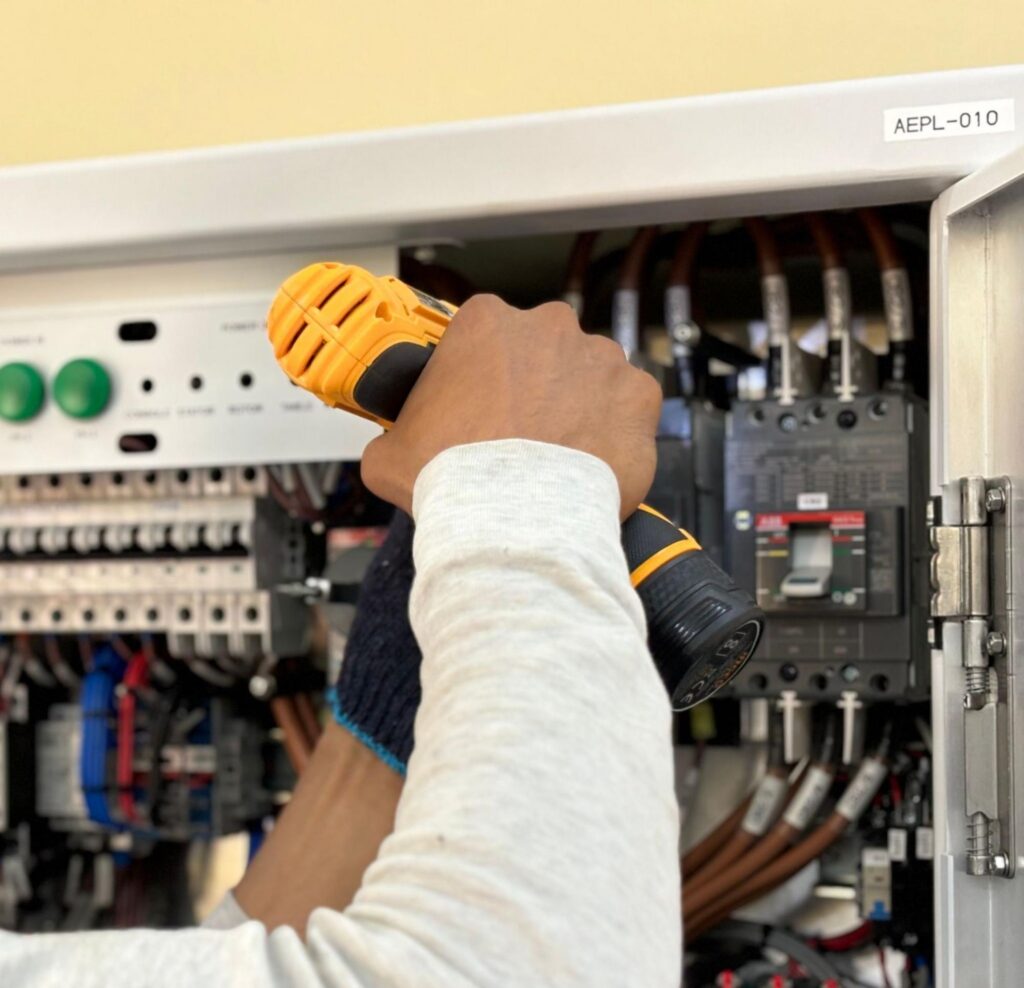
Safe, code-compliant electrical work matters when it comes to backup power and outage repairs. Licensed electrical work protects your home, your family, and the crews that work to bring power back. That’s where a professional electrician comes in. They follow Idaho’s electrical code, pull the right permits, and test every connection in your household.
Local knowledge and experience also matter, especially for homes inside the city limits. These neighborhoods need permits through the City of Boise, while properties in unincorporated areas are processed through Ada County. This is why working with a local electrical team earns its keep.
All 4 You Electrical is a family-owned, Idaho-based, and licensed electrical contractor with more than a decade of hands-on experience in serving homeowners and businesses across the Treasure Valley. Our team handles everything from pre-season inspections to full generator installation in Boise. Whether you need a licensed team to check your panel or you are planning to add backup power, our team is here to help. We bring the same standard in each job: clear communication, licensed work, and honest recommendations.
Boise Power Outage Prep FAQs
How long do power outages usually last in Boise?
Power outages in Boise, ID range from short interruptions to long periods of time. The cause of interruption, location, weather factors, and repairs needed all affect the power restoration time. Keep enough supplies for a longer outage, and refer to Idaho Power’s outage map and alerts for regular power updates.
Can I run a portable generator indoors during an outage?
No. A portable generator should be operated outdoors only, at a safe distance from doors, windows, and vents. Running a portable unit inside a home, garage, or enclosed space allows carbon monoxide to build up quickly, which can be a hazard to your household and property.
Do I need a generator, or is a battery backup enough?
It depends on what you want to keep powered and for how long. A battery backup can handle phones, lights, and small devices during short interruptions. A generator unit is a better fit when you want to power a fridge, heating and cooling, or a whole home through a longer outage.
Can I connect a generator to my house myself?
No, Idaho requires each generator unit to be wired in by a licensed electrician, because it must tie into your panel through a transfer switch. Safe, code-compliant generator installation protects your home, your family, and the crews working to restore power.
Should I have my electrical panel checked before buying a generator?
Yes, have a licensed electrician check your electrical panel before deciding on a generator unit. An electrical panel evaluation makes sure your panel can safely support a backup power unit and helps you choose the right generator unit that is correctly sized for your home.
How long do power outages usually last in Boise?
Power outages in Boise, ID range from short interruptions to long periods of time. The cause of interruption, location, weather factors, and repairs needed all affect the power restoration time. Keep enough supplies for a longer outage, and refer to Idaho Power’s outage map and alerts for regular power updates.
Can I run a portable generator indoors during an outage?
No. A portable generator should be operated outdoors only, at a safe distance from doors, windows, and vents. Running a portable unit inside a home, garage, or enclosed space allows carbon monoxide to build up quickly, which can be a hazard to your household and property.
Do I need a generator, or is a battery backup enough?
It depends on what you want to keep powered and for how long. A battery backup can handle phones, lights, and small devices during short interruptions. A generator unit is a better fit when you want to power a fridge, heating and cooling, or a whole home through a longer outage.
Can I connect a generator to my house myself?
No, Idaho requires each generator unit to be wired in by a licensed electrician, because it must tie into your panel through a transfer switch. Safe, code-compliant generator installation protects your home, your family, and the crews working to restore power.
Should I have my electrical panel checked before buying a generator?
Yes, have a licensed electrician check your electrical panel before deciding on a generator unit. An electrical panel evaluation makes sure your panel can safely support a backup power unit and helps you choose the right generator unit that is correctly sized for your home.
Plan Your Backup Power Before The Lights Go Out
Knowing how to prepare for a power outage in Boise starts with simple steps: gather supplies, check utility updates, and decide which areas and devices in your home need backup power. If a generator is on your list, have a licensed electrician assess your panel before installing the equipment or planning a connection.
All 4 You Electrical helps you plan safe and code-compliant electrical work for your Boise property. Contact our team to schedule an inspection, request an estimate, or get honest recommendations for the right generator setup.